
Trying a Traditional Bhutanese Hot Stone Bath (Dotsho)

When I checked into the Dewachen Hotel & Spa in Phobjikha Valley, Iittle did I know I’d be having my first Bhutan hot stone bath that night. I noticed a small laminated menu in my room and assumed it was for food — maybe soups or tea — but when I looked closer, it turned out to be the spa treatment list.

And at the very bottom was something I hadn’t planned on but suddenly really wanted to try: a traditional Bhutanese hot stone bath.

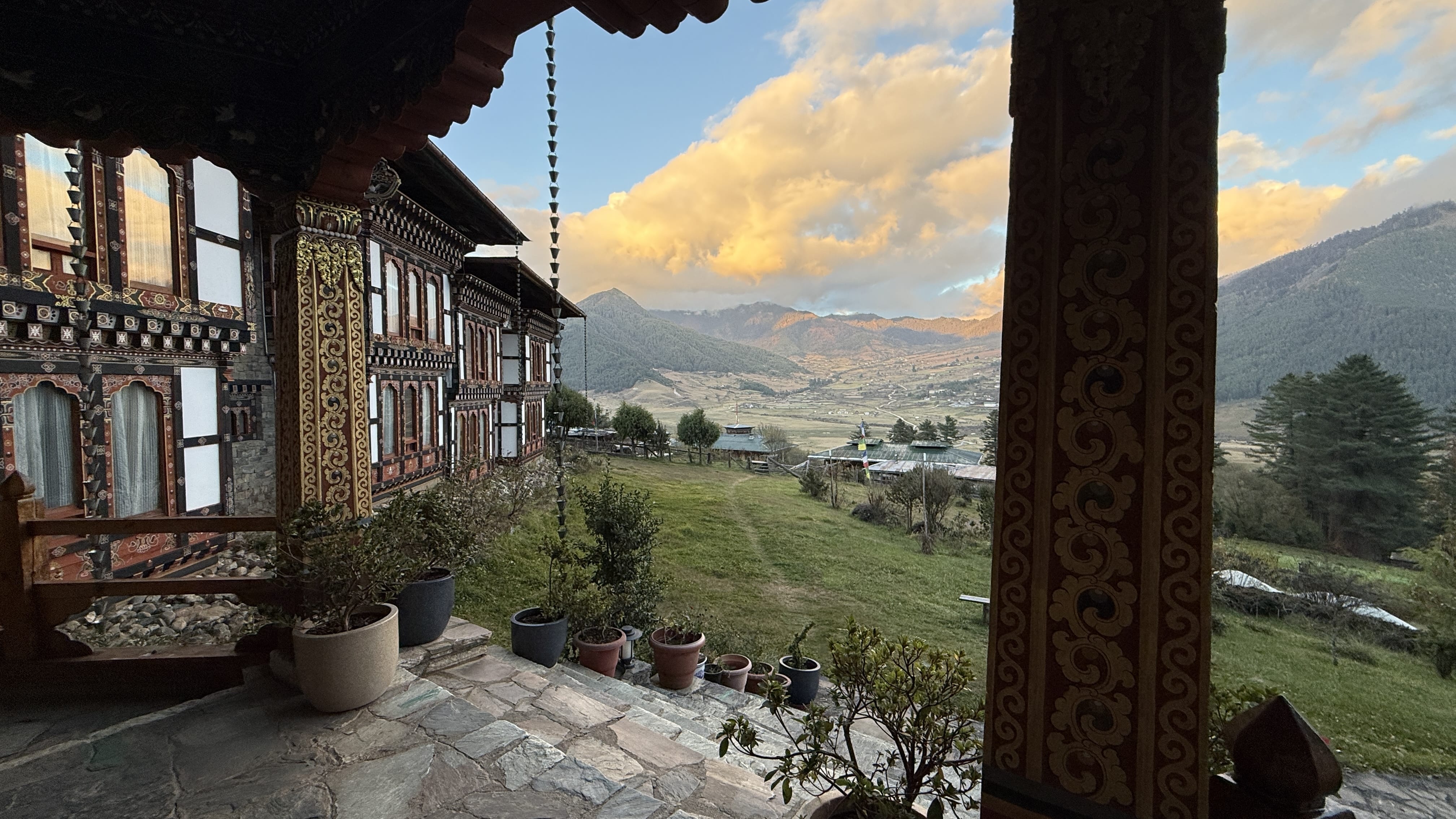
View of Phobjikha Valley from Dewachen Hotel & Spa in Bhutan, where traditional hot stone baths are offered.
The view from Dewachen Hotel & Spa in Phobjikha Valley, where I tried my first Bhutanese hot stone bath.

I’d heard about these baths before coming to Bhutan. They’re not some new wellness trend or hotel invention — they’ve been part of Bhutanese life for centuries. Known locally as dotsho, they were traditionally a family ritual, especially in rural villages.

People would set up wooden tubs outdoors, heat river stones in a fire until they glowed red, and drop them into the water to warm the bath. The stones, when they hit the cold water, release minerals like calcium, magnesium, and iron, and the heat makes the water gently bubble on its own.

Local herbs — especially Artemisia, which grows wild in Bhutan and is believed to ease sore muscles, improve circulation, and support overall healing — are added to the water. Traditionally, people soaked not just for relaxation but for cleansing the body before religious festivals or after long days of farm work. Even today, many Bhutanese households still prepare dotsho baths in the winter.

My First Bhutan Hot Stone Bath Experience

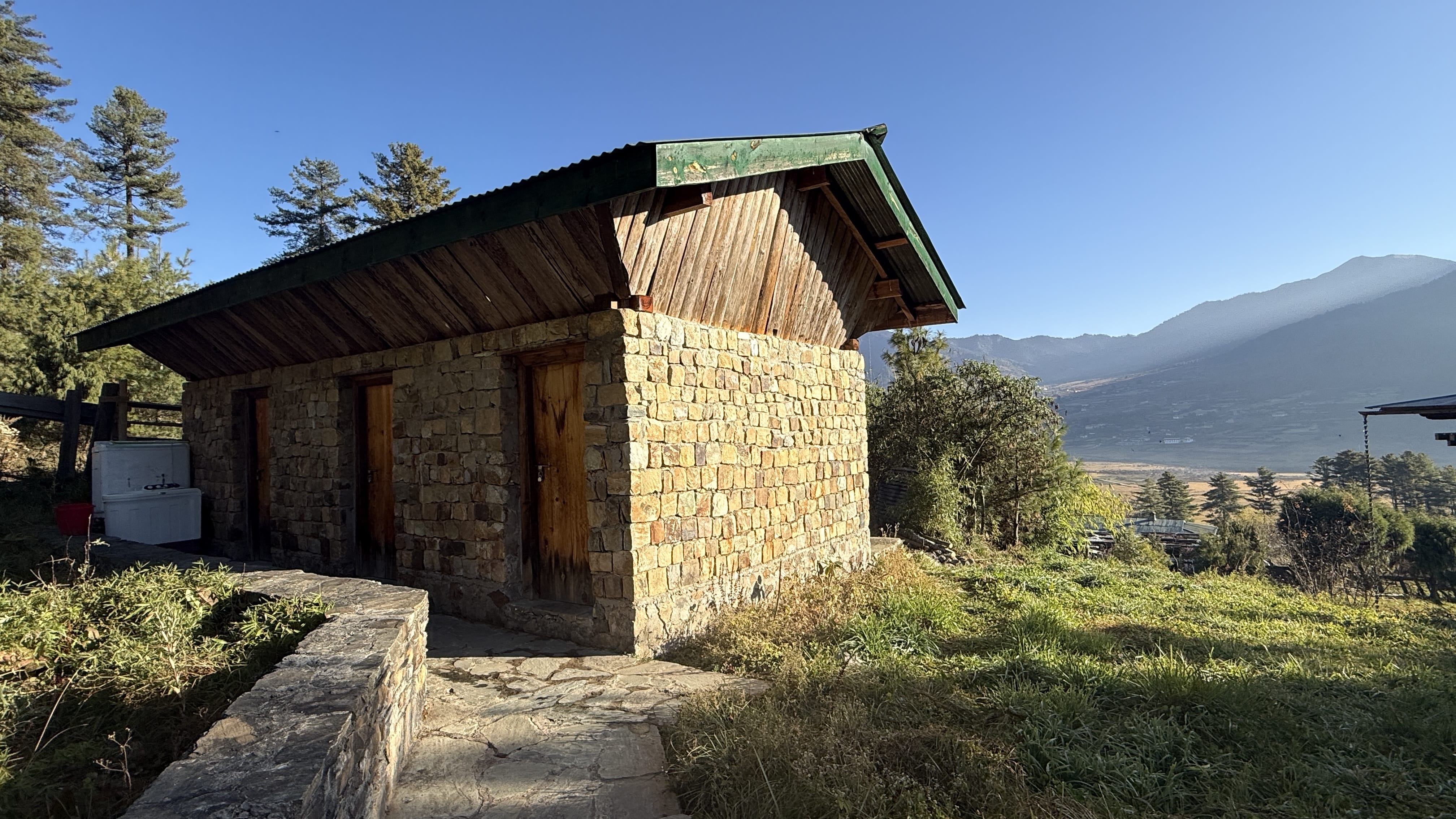
Small stone bathhouse where my hot stone bath would take place in Phobjikha Valley, Bhutan, set on a hillside overlooking fields and distant mountains.
The bathhouse.

When I arrived at the stone bathhouse, an attendant greeted me and explained how everything worked. The tub I’d be sitting in had been filled with clean water, and it was gradually being heated by river stones that had been fired until they were glowing red. They were smooth, dense stones pulled from the riverbeds nearby — the kind that heat evenly and don’t shatter, which is why Bhutanese families have used them for generations.

Once they were ready, those stones were placed into a connected chamber at the end of the tub — the heat moves through the wooden divider, warming the water on my side. If it got too hot, I could use the spigot to add cooler water.

Stone bathhouse wall with long metal tongs used for handling heated river stones in a traditional Bhutanese hot stone bath.
Metal tongs use to move the fire-heated river stones into each bath.

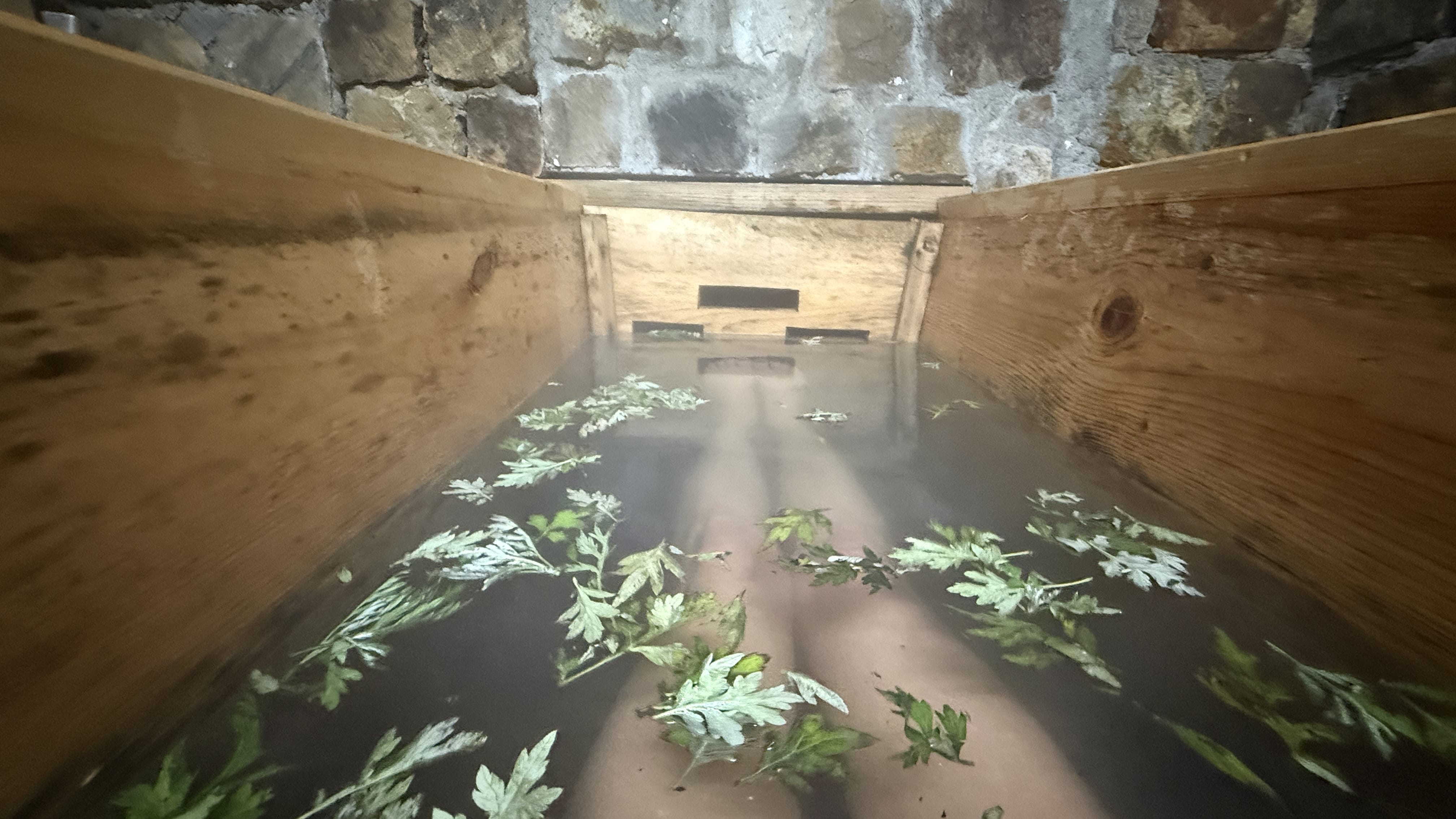
He pointed out the herbs floating in the bath and encouraged me to breathe in their scent and gently rub them on my skin. The Artemisia leaves had jagged green edges, and once they steeped in the water, they turned silky and dark. Their scent was earthy and herbal — somewhere between sage and mint — and it gave the bath a faint, wild smell that felt completely tied to the landscape outside.

The room itself was simple and practical: maybe seven by twelve feet, with stone walls, a small shower in the corner, and a single fluorescent light overhead. A towel and a bottle of water sat on a ledge. The wooden tub took up most of the space. Along the back wall were four small cutouts that opened to the outside, where the attendant tended the fire and dropped hot stones into the outer chamber. Through those openings, he could also hear me if I needed anything.

When I first dipped a toe in, the water was almost too hot to handle, but after adding a little cool water, it settled into that perfect, just-on-the-edge warmth that makes you sigh out loud. The herbs gave off that minty-earthy smell, and soon the whole room filled with thick steam. I could faintly smell smoke from the fire outside — not harsh, just a soft trace that mixed with the humidity.

Gentle music played in the background, barely audible but enough to make the space feel cocoon-like.

View from inside a traditional Bhutanese hot stone bath, showing Artemisia herbs floating in the water and steam rising against a stone wall.
Warm, herb-scented water heated by fire-hot stones.

After about thirty minutes, the attendant called through the openings to ask if I wanted more hot stones. I said, “Maybe just one,” mostly out of curiosity. A few moments later, I heard the hiss as the new stone hit the water, followed by the gentle crackle of heat spreading through the tub.

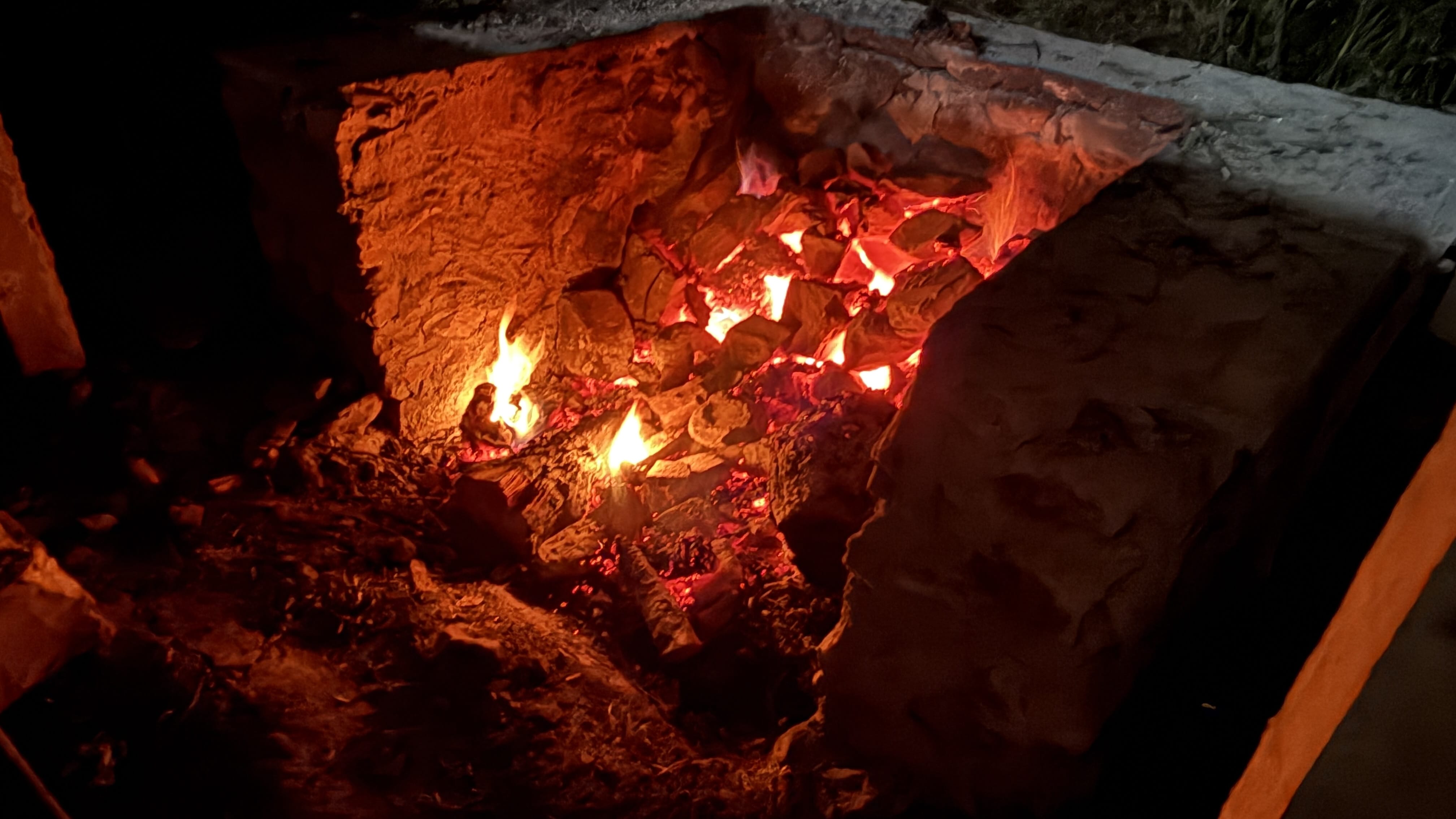
Glowing embers and fire inside a stone pit used to heat river stones for traditional Bhutanese hot stone baths.
Heating up the river rocks for my bath.

I soaked for about forty-five minutes, stepping into the cold shower in between to cool off, before finally getting out — flushed, relaxed, and convinced this was one of the best things I’d done in Bhutan so far. Nothing about the setup was fancy — just a wooden tub in a stone room with a bright light — but it felt honest, ancient, and deeply satisfying.

Even today, a proper hot stone bath in Bhutan feels more cultural than commercial. It’s not about candles or aromatherapy. It’s about the balance of the elements: fire heating stone, stone heating water, herbs steeping in steam. And for what it was, it felt like a good deal — the entire experience cost 2,280 ngultrum (just over $25 USD).

Second Bhutan Hot Stone Bath Experience

And yes, I went back for another one. After hiking to Tiger’s Nest, booking a second Bhutan hot stone bath felt like the perfect end to the day.

This place had many more baths, and some looked nicer than others. The room I was assigned was basic — just the soaking tub, no frills — and the water was lukewarm when I stepped in. I had to call out to the attendant for additional stones to heat it up. Unlike the bath in Phobjikha, there wasn’t a spigot to cool the water if it got too hot, and there wasn’t a shower to step into between rounds of soaking.

I ended up calling out three different times for more stones. Maybe it lost heat faster because the weather outside was colder.

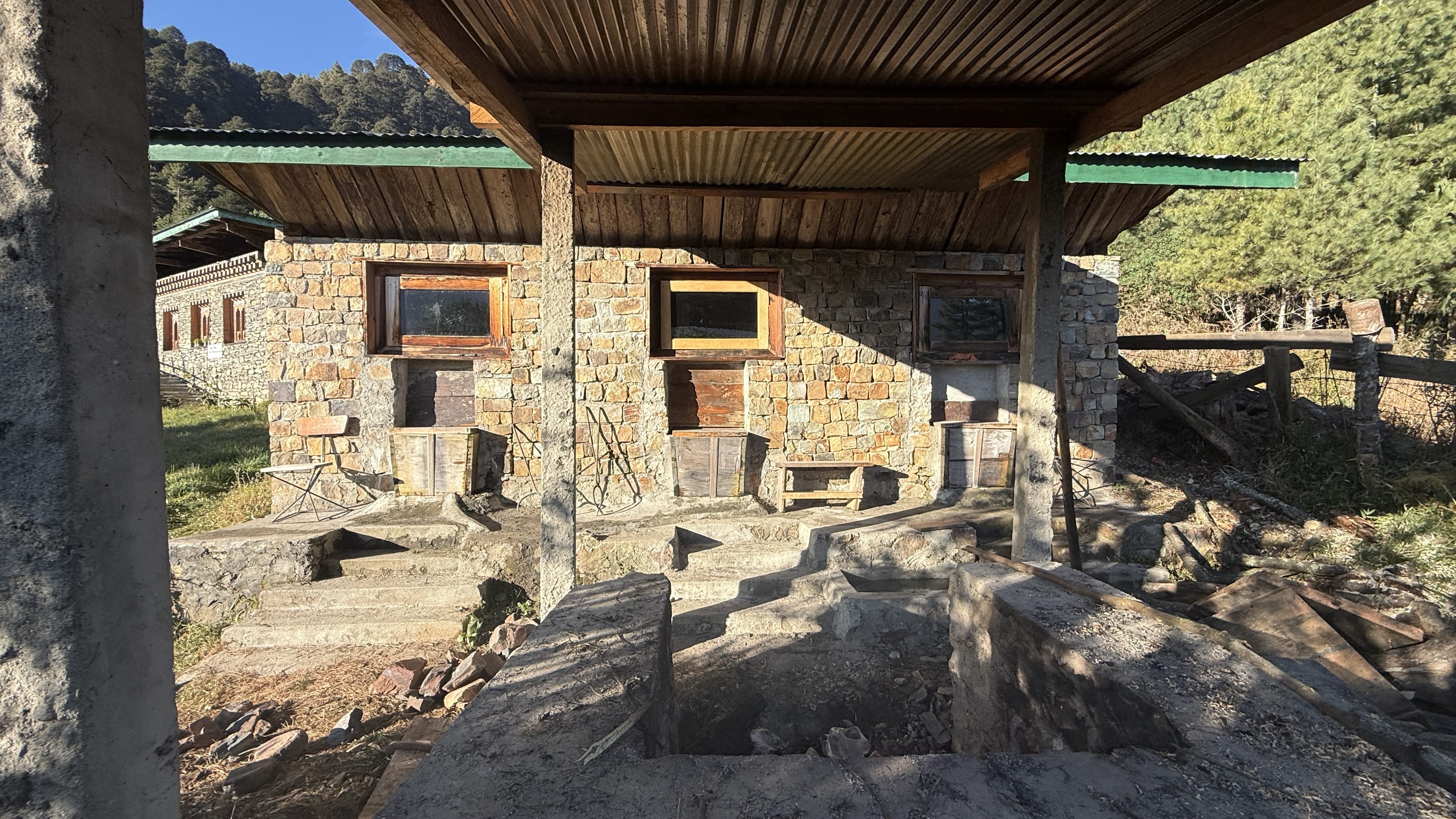
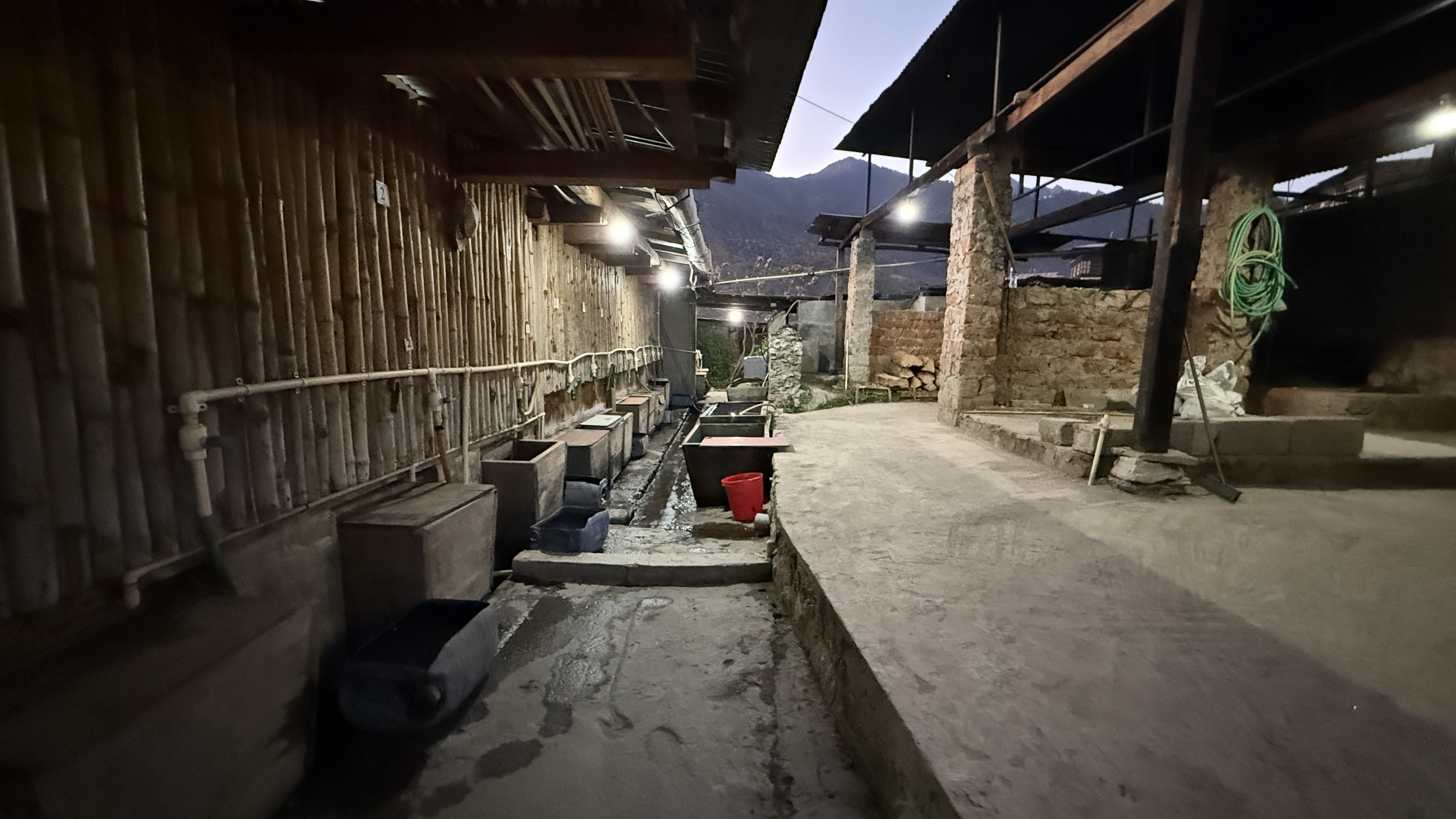
Outdoor corridor of a Bhutanese hot stone bath facility with stone tubs, pipes, and metal roofing, set against the mountains at dusk.
The outdoor setup at the Paro bathhouse.

Still, even with the temperature dance, it was relaxing — especially after the hike earlier that day. I was kind of liking this Bhutanese tradition.

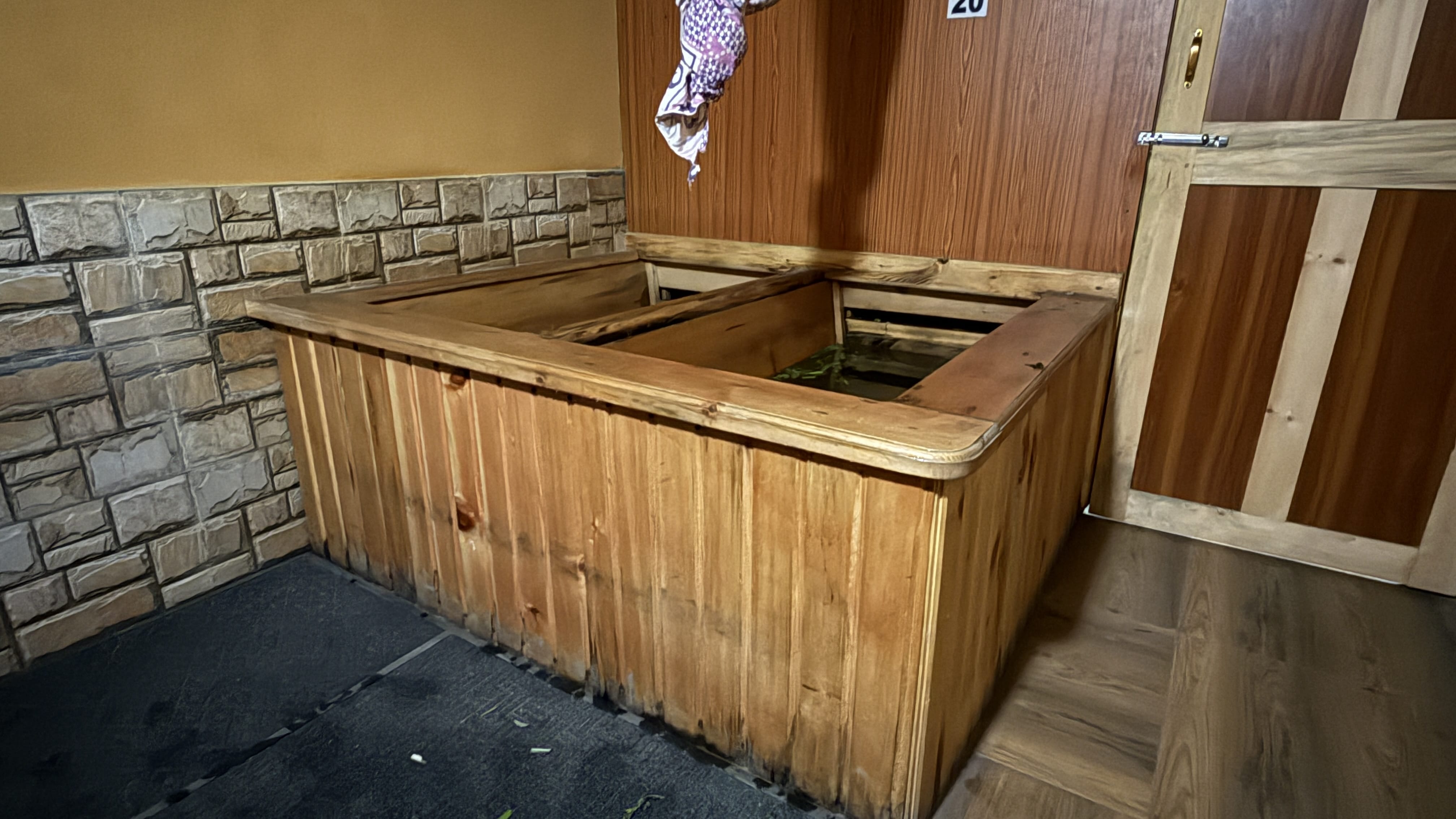
Wooden hot stone bath tub inside a simple spa room in Paro, Bhutan, with herbs floating in the water and paneled walls surrounding the space.
My second hot stone bath.

I learned later that two women I was traveling with also did a hot stone bath at the same place — and their room had a plunge pool, even though we all paid the same price. Not exactly fair, but it was still a memorable experience and, realistically, my last hot stone bath —unless I make it back to Bhutan someday.

A Small Reflection

Looking back, the hot stone baths ended up fitting into a little theme of this trip — saying yes to different kinds of wellness traditions wherever I found them. I’d started in Delhi with an Ayurvedic massage, and then in Bhutan I kept leaning toward experiences that felt grounded and local rather than polished or “spa-like.”

None of it felt trendy; it felt like stepping into the everyday rituals people actually use to take care of themselves. And honestly, I loved that. Whether it was hot stones, cold showers, herbs, or just the chance to slow down, both baths left me feeling calmer and more present — which is all I really wanted after days of hiking, traveling, and nonstop newness.

If you ever visit Bhutan, I’d absolutely recommend trying a Bhutan hot stone bath at least once.

Related Blogs

So I Tried an Ayurvedic Massage in Delhi
A gentle (and slightly slippery) introduction to India’s ancient healing system — the perfect way to shake off jet lag and ease into Delhi.

Soaking in History: My Sulfur Bath Experience in Tbilisi
What it’s really like to step into a centuries-old bathhouse in Georgia’s capital, complete with mineral water, steam, and old-world architecture.

Trying a Private Hammam in Morocco: What It Was Really Like
A quiet, respectful hammam experience that surprised me in all the best ways — steam, exfoliation, and a lot more connection than I expected.

11 Days in Bhutan: Thimphu to Punakha — Part 1 (Days 1–5)
11 Days in Bhutan: Part 2 — Punakha, Haa Valley, Paro & Tiger’s Nest (Days 6–11)
My full day-by-day Bhutan itinerary, including monasteries, villages, hikes, hot stone baths, and the kind of calm you don’t find just anywhere.

JoAnne Cross headshot

About the Author

Hi, I’m JoAnne—writer, wanderer, and lover of places that surprise me. I’ve traveled to 60+ countries (and counting), usually with a camera in one hand and a notebook in the other. I’m drawn to mosaics, markets, and mountains, and I write to remember what moved me. When I’m not traveling, I’m working on my blog Travels Afoot, trying new creative projects, or planning my next adventure.

📍 More about me | ✈️ Explore destinations